Number Games That Blend Innovation and Fun
13 July 2026 | 463
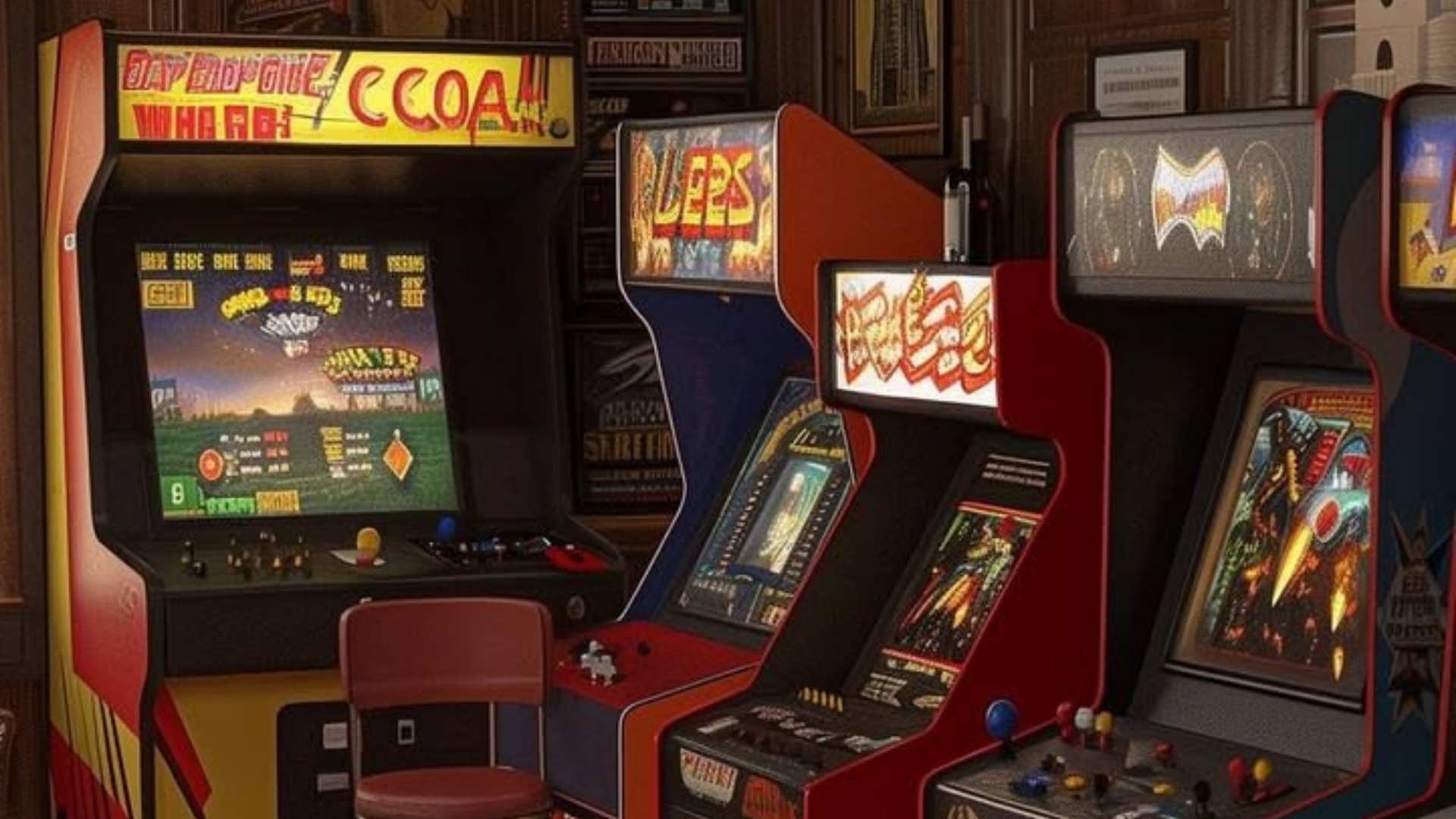
The digital gaming landscape has experienced a major transformation as traditional mathematical puzzles evolve into dynamic interactive experiences. Modern creators are successfully merging strict logical frameworks with engaging multimedia elements to capture the attention of diverse audiences globally. This innovative shift changes how people view numerical puzzles, transforming them from dry academic exercises into highly entertaining pastimes.
The Evolution of Numerical Gameplay
Traditional puzzles like Sudoku and equations have moved beyond static grid formats into immersive digital environments. Contemporary developers integrate storytelling, physics engines, and vibrant graphics into mathematical gameplay to enhance engagement. These advancements ensure that players remain continuously challenged while thoroughly enjoying the interactive journey.
By introducing competitive mechanics and adaptive progression systems, modern designs cater to both casual users and enthusiasts. Many individuals explore these advanced systems through online platforms, finding unique connections to interactive entertainment like M88 sports analytics. This technological progress ensures that the core mechanics remain deeply educational yet highly accessible to everyone.
Balancing Skill Development and Entertainment
An exceptional characteristic of modern numerical puzzles is their unique capacity to stimulate cognitive development without feeling tedious. Players actively practice complex problem-solving skills, spatial reasoning, and mental arithmetic while navigating through various puzzle levels. The strategic addition of rewarding milestones keep individuals motivated to finish increasingly complex tasks.
Furthermore, these apps often feature adaptive difficulty systems that naturally align with a player's growing skill level. This prevents early frustration for newcomers while preserving deep intellectual stimulation for seasoned enthusiasts. The harmonious balance between learning and leisure establishes a highly sustainable model for digital mental exercises.
Social Elements and Collaborative Puzzles
Innovation in this genre extends far beyond solitary gameplay mechanics into the realm of community building. Modern platforms frequently introduce multiplayer modes, global leaderboards, and collaborative community events where teams work together to solve complex riddles. Sharing distinct tactical approaches turns a historically isolated activity into a lively shared experience.
These interactive features help build global communities where enthusiasts regularly exchange analytical insights and celebrate collective milestones. Engaging in healthy competition encourages participants to refine their skills and approach logic puzzles with fresh strategies. Consequently, numerical challenges have secured a permanent place within contemporary digital entertainment culture.